Sign In
Upcoming Event
 Free Newsletter

Monroe County silent, for now, on why $4M building purchase makes sense

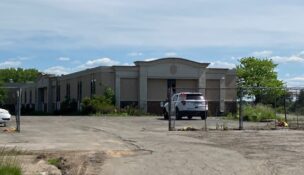
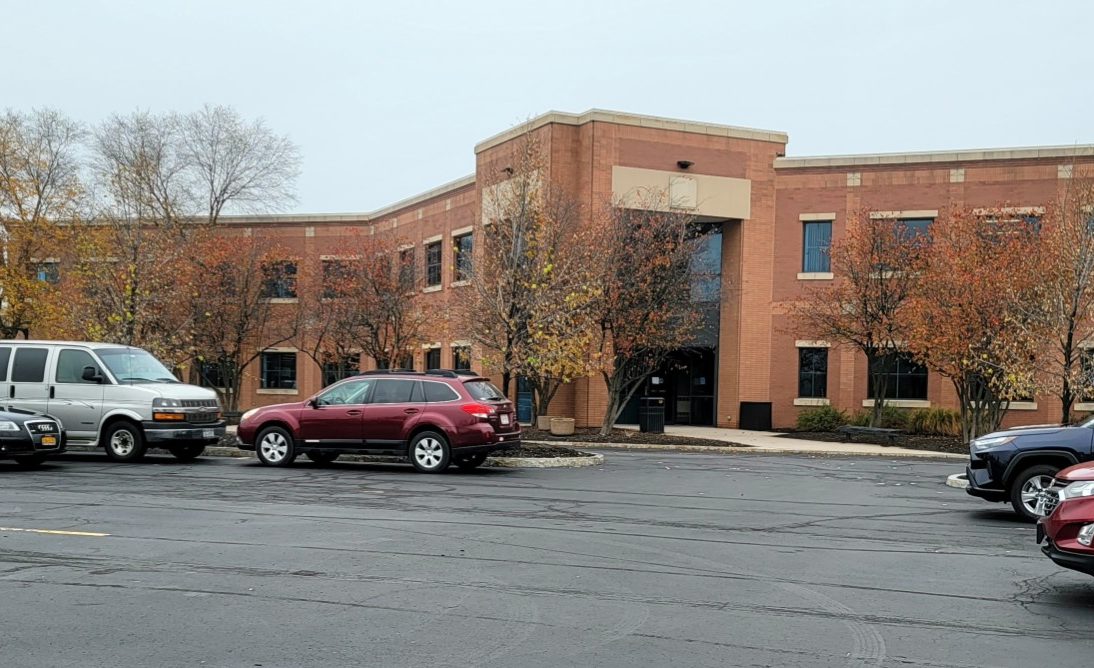
Monroe County intends to buy the former Carestream headquarters at 150 Verona St. (File photo by Kevin Oklobzija)
Monroe County intends to buy the former Carestream headquarters at 150 Verona St. (File photo by Kevin Oklobzija)
Monroe County silent, for now, on why $4M building purchase makes sense


 Listen to this article
Monroe County is prepared to move forward with the purchase and renovation of the former Carestream building in Rochester, but legislators weren’t allowed to say why it makes sense to pay nearly four times what the property cost at auction 16 months ago.
The legislature approved a resolution to spend up to $4 million for the property and not more than $22 million on renovations to provide the county with an office building with a shelf life of an estimated 30 years. The county will issue $26 million in bonds to cover purchase and conversion costs.
Ownership of the eight-story, 403,000-square-foot building at 150 Verona St. will enable the county to stop leasing some space in privately owned buildings.
The deal also includes the right to lease spaces in the adjacent parking lot.
Once part of Eastman Kodak Co.’s downtown campus, Carestream sold the property at auction for $1.133 million to Bathla 150 Holdings LLC. That New Jersey-based entity is managed by real estate investor Kamal Bathla. Carestream continues to lease space in the building.
County legislators gave their blessing to the purchase and renovation plan at Tuesday night’s monthly meeting of the County Legislature, but they weren’t allowed to publicly discuss why it makes sense.
All details given to legislators were provided privately in executive session. Public boards are allowed to use executive session to discuss real estate transactions if there is a reasonable belief that publicity could impact the property’s sale price.
The premise behind that open meetings law exception: once details of a plan became public, a property owner could extort the public entity by demanding more money, thus increasing costs to taxpayers.
During legislative meetings, legislators often publicly explain the reasoning behind their votes. That was not allowed on Tuesday, so Rachel Barnhart (D-Rochester, legislative district 17) expressed concern about the process.
Barnhart made it clear she was voting for the measure and also said there was no wrongdoing in the secrecy that was required. She just seemed troubled that the public has been kept in the dark.
“In this chamber we rise to explain our votes,” Barnhart said at the meeting. “Tonight I rise to not explain my vote.
“I can’t say the fiscal case for this purchase. I can’t say the projected savings. I can’t say the environmental impact. I can’t even say what we’re going to do with the building.”
Even though they are spending $26 million in taxpayer dollars, legislators were told by the county law department that those details all must remain private until the sale closes, Barnhart said.
“A $26 million expenditure … we can’t tell the public what we’re doing,” she said. “That is not good government, that is not good democracy.
“I understand why it was done this way, but I think there had to be a better way.”
County officials did not immediately respond to a request for comment.
[email protected]/(585) 653-4020
l