Sign In
Upcoming Event
 Free Newsletter

Apprenticeship program trains next generation of toolmakers, machine builders

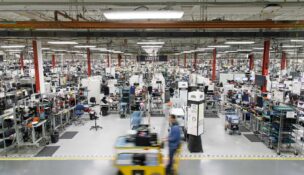
Micro Instrument has participated in the New York State Accredited Apprenticeship Program for more than three decades. Such programs help local manufacturers find new employees. (file photo provided by Micro Instrument Corp.)
Micro Instrument has participated in the New York State Accredited Apprenticeship Program for more than three decades. Such programs help local manufacturers find new employees. (file photo provided by Micro Instrument Corp.)
Apprenticeship program trains next generation of toolmakers, machine builders


 Listen to this article
Kyle Jones often refers to Micro Instrument Corp. — the company where he has worked for over 35 years — as a unicorn.
“We don’t do the same things every day,” said Jones, the company’s aerospace manufacturing manager. “Every job is different and that makes us unique.”
The manufacturing business has also taken a unique approach to attracting talent as a longtime participant in the New York State Accredited Apprenticeship Program, developing toolmakers, machine builders and CNC machinists for the business as a result.
Jones oversees the apprenticeship program that Micro has had in place for more than three decades. It is one of the largest 8,000-hour apprenticeship programs in New York.
The four-year program consists of paid on-the-job training and related classroom training. At the end of the training, the apprentice receives a certificate of completion through the state Department of Labor.
In addition to wages that increase as the apprentices meet certain benchmarks, the company offers apprentices a competitive benefits package, Jones said.
Micro works with the Finger Lakes Youth Apprenticeship Program, BOCES and local schools, including Monroe Community College, on the workforce training initiative.
He added that the apprenticeship program provides real-world manufacturing skills and knowledge that typically would take much longer to master in a strictly production environment — which is often the first step for those entering the field.
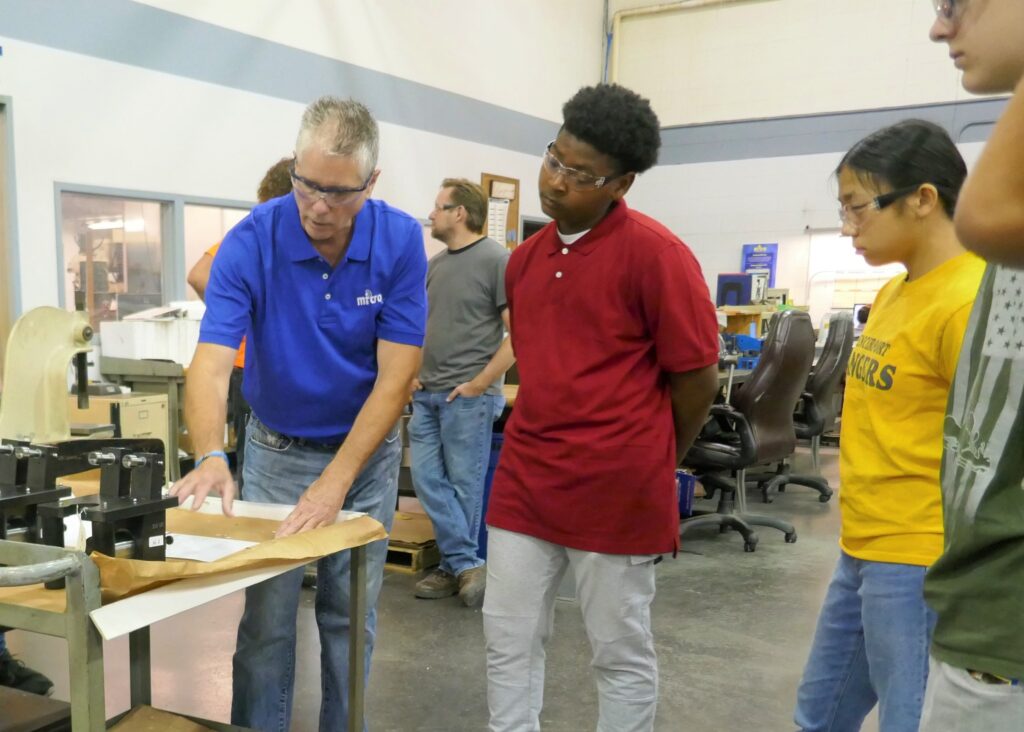
Jones — who believes the training transcends Micro and applies to the industry at-large — said it’s important for the apprentices to understand the basics before moving onto more automated processes on the floor.
And since 95 percent of the company’s manufacturing processes are done in-house, apprentices get experience in a variety of areas.
Such cross training is key, Jones said, and having employees who are skilled in all the company’s operations sets Micro apart from the competition.
Because of this, the firm is looking for those up to the challenge, Jones said.
“We’re looking for the thinkers, for the inventors,” he said.
The company has been able to continue to provide customers with the products they are seeking due, in part, to the extensive and robust training program its workers undergo.
Micro provides automation and contract manufacturing services to customers in a range of industries, including aerospace and defense, medical device, packaging, optics, automotive and filtration.
Micro’s employees have built parts that are now orbiting the earth and on the surface of Mars. The company assisted with the fabrication of the James Webb Space Telescope and has worked on the F35 Fighter and Airbus 350 projects.
The business was founded in 1944 by a family of German immigrants who were tool makers by trade. The initial business model focused on developing small surgical instruments and grew over time to complex machining work for some of the region’s largest industries.
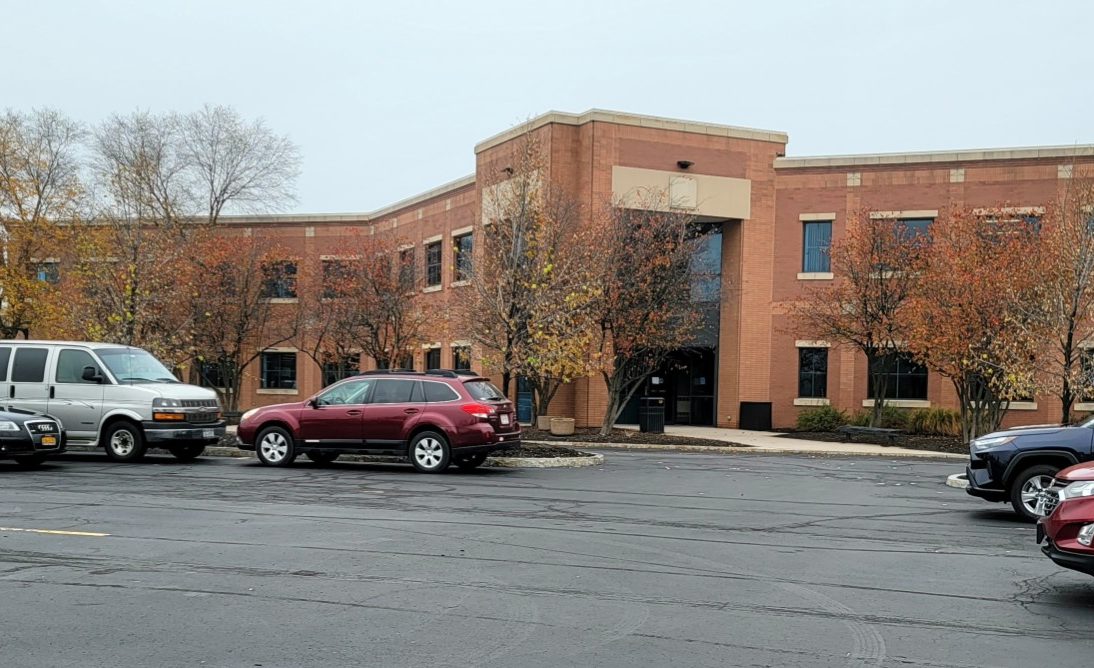
The company transitioned into equipment design and build in 1967 with the creation of its automated system’s group and has continued to grow the operation at its 55,000-square-foot site on Emerson Street.
Micro employs roughly 70 people, including engineers, technical writers and CNC machinists.
Dave Rapple, the machine building group manager, said since Micro works on custom jobs, employees must be well-versed in all the shop’s operations and processes.
That is why having a long-standing commitment to its apprenticeship training program is essential for the business, he noted.
“It can be hard to find people who have done everything that we do,” Rapple said. “With this program, we can train from within and help our employees grow here.”
[email protected] / (585) 653-4021
i