Sign In
Upcoming Event
 Free Newsletter

Senior living providers in Rochester address workforce shortages amid aging population

(Depositphotos)
(Depositphotos)
Senior living providers in Rochester address workforce shortages amid aging population


 Listen to this article
Summary:
- Episcopal SeniorLife launches Empower Leadership Academy in 2024
- Jewish Home expands hiring to refugees, veterans, and disabled individuals
- Jewish Home’s Your Path Forward offers tuition reimbursement and training
- Episcopal SeniorLife provides unlimited RTS bus passes and emergency relief fund
As America’s population ages, the demand for senior living and care services continues to grow. By 2030, all baby boomers will be age 65 or older, and for the first time in U.S. history, older adults are projected to outnumber children, according to the U.S. Census Bureau.
At the same time, senior living providers are grappling with annual caregiver turnover rates exceeding 50%, according to the American Health Care Association, putting added pressure on organizations to rethink how they recruit and retain staff.
To better understand how senior living providers are responding locally, RBJ spoke with leaders at three organizations about the creative approaches they’re taking to recruit, support and retain employees.
Episcopal SeniorLife Communities
“As our senior population in this area continues to grow, we are not seeing the growth of the qualified staff to support the number of people that need our services,” said Amanda Teugeman, senior vice president of healthcare at Episcopal SeniorLife Communities.
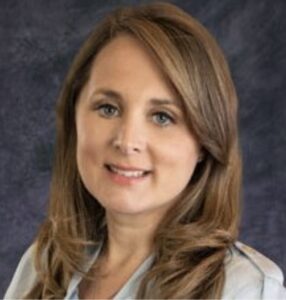
Teugeman said one of the biggest challenges is the shrinking pool of working-age adults available to fill frontline care positions, as well as essential support roles in dining, housekeeping and maintenance.
Michelle Halloran, vice president of human resources at Episcopal SeniorLife Communities, said rising costs of living have only added to the pressure.
“There’s an increase in utilities, gas, food,” Halloran said. “That drives the needs, of course, for higher wages or a second job.”
At the same time, she said, providers are balancing those realities against the financial limitations of both public funding and residents living on fixed incomes.
To address these challenges, Episcopal SeniorLife Communities has focused on building a more flexible, employee-centered workforce model.
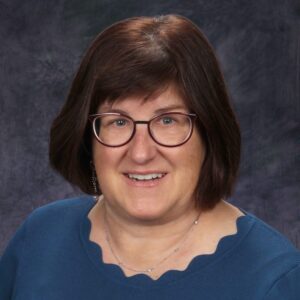
“Our recruitment strategies are always rooted in our mission alignment,” Halloran said. “We seek candidates that reflect Episcopal’s values and culture and really are interested in doing the role that we’re recruiting for.”
Teugeman said retention efforts have increasingly centered on helping employees grow within the organization, even if that growth takes them in unexpected directions. The organization offers internal mobility and cross-training opportunities across departments and communities, allowing for more flexibility in scheduling while helping maintain continuity of care.
Halloran said leadership development has also become an important part of that strategy. Episcopal launched its Empower Leadership Academy in 2024, providing managers with training in communication, performance management and team building.
“One of the things you’ll hear the participants frequently say after is they leave that cohort feeling the confidence to go lead their teams,” Halloran said.
Beyond scheduling and career pathways, Episcopal SeniorLife Communities has also developed what Halloran describes as a holistic workforce support system designed to address challenges employees may face outside of work.
Among those efforts are unlimited RTS bus passes for staff at locations on bus routes, a partnership with Foodlink offering weekly curbside fresh food markets, an emergency relief fund and a collaboration with RochesterWorks to provide a social care navigator.
“If someone feels supported, they’re more apt to stay in their job if they see that they have resources in and outside of their employer,” Halloran said.
Workplace culture has become another central part of the organization’s retention strategy.
Episcopal SeniorLife Communities regularly conducts employee engagement surveys through third-party partners and has formed an employee culture committee to review the results, identify strengths and address concerns.
“What came out very strongly from the surveys is that they believe in the mission and the vision of Episcopal,” Halloran said. “They take pride in working for Episcopal.”
The organization is seeing measurable results from its retention efforts. Halloran said Episcopal recognized 45 employees for milestone years of service last year. This year, that number grew to 75, with employees marking anywhere from five to 35 years of service.
“We have seen greater retention with those that are newly hired,” Halloran said.
Jewish Home
Michael S. King, president and CEO of Jewish Home, said workforce shortages remain one of the biggest challenges facing senior living providers as demand for services continues to grow.

“Here in Monroe County the over-65 population is growing very rapidly, which significantly increases the need for services for older adults,” King said. “Unfortunately, there are not enough employees who want to work in healthcare in the hospital or senior-living environment, so on the Jewish Home campus we have created programs to attract and retain employees, from relationships with high schools to tuition reimbursements.”
To support those efforts, Jewish Home has spent the last decade building out Your Path Forward, a collection of employee programs and resources designed to support, train and champion staff both personally and professionally.
The initiative includes a range of workforce development programs, from entry-level job training to executive leadership coaching, along with tuition reimbursement, healthcare certifications, English-language lessons and mental-health support.
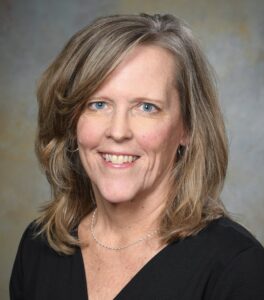
“Upskilling and education in senior living are not just professional benefits — they are strategic necessities,” said Christine Van Vessem, senior vice president of human resources and quality at Jewish Home. “They strengthen care quality, empower staff, reinforce compliance, and help attract and retain the workforce we need to care for and serve the older adults on our campus and in the community.”
Van Vessem said Jewish Home has also expanded its hiring strategy by seeking non-traditional applicants for frontline positions.
“We needed to continue to think outside the box to attract and retain talent, particularly in the aging service industry, and one strategy was seeking non-traditional applicants to fill frontline positions,” Van Vessem said.
Those efforts have helped bring in refugees, veterans and individuals with disabilities.
Programs like Project SEARCH, launched in 2018 in partnership with Christian Heritage Services, introduce young adults with intellectual and developmental disabilities to careers in aging services.
Other partnerships have expanded that workforce pipeline, including Project East, a 15-week career exploration and internship program for juniors and seniors at East High School, and Project Culinary, launching in 2026 for Monroe Community College and adult education culinary students.
Additional training opportunities include home-health aide certification through Finger Lakes Community College, Project Kesher for Jewish teens and the Job Path program, which offers job training and life-skills support for refugees, veterans and individuals with disabilities.
Jewish Home leaders say the goal is to build a stronger workforce pipeline while creating long-term career pathways for employees across senior living.
Friendly Senior Living
Laurie Phelps, vice president of human resources at Friendly Senior Living, said many of the workforce challenges facing senior living providers mirror what is happening across the industry, particularly when it comes to recruiting and retaining clinical and direct-care staff.
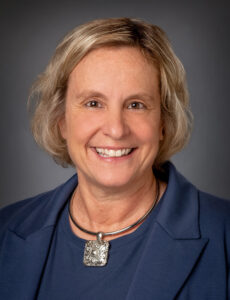
“One of the biggest challenges senior living providers are facing right now is finding and keeping talented people in clinical and direct-care roles,” Phelps said. “As more older adults need support, the demand for compassionate, skilled caregivers continues to grow—but the pool of qualified candidates is limited, and many organizations are competing for the same people.”
Phelps said that reality has made workforce development a priority, with organizations needing to focus not only on hiring, but also on creating environments where employees feel supported and recognized.
“That means recruitment has to be an ongoing focus, but retention is just as important,” she said. “We have to create workplaces where caregivers feel supported, appreciated, and empowered, because when team members feel valued, they’re better able to provide the exceptional care and meaningful connections residents deserve.”
At Friendly Senior Living, that work starts with building stronger pipelines for future employees through community partnerships and outreach.
“We’re focused on expanding our pipeline of future team members by building strong community partnerships and introducing more people to the meaningful career opportunities available in long-term care,” Phelps said.
She said the organization is also focused on helping current employees grow through professional development opportunities, including paid training programs.
“We’re also deeply committed to helping our current team members grow through professional development opportunities, including paid training programs like the Staff Training and Education Program (STEP), which helps CNAs work toward becoming licensed LPNs,” Phelps said.
Phelps said retention also means addressing the practical barriers employees may face outside the workplace.
“That’s why Friendly Senior Living offers support such as employer-paid transportation and success coaches, helping remove barriers and giving team members the tools they need to succeed,” she said.
Workplace culture, she added, remains one of the strongest drivers of retention.
“When employees feel respected, heard, connected, and proud of the work they do, they’re much more likely to feel invested in the organization and in the people they serve,” Phelps said.
Caurie Putnam is a Rochester-area freelance writer.
d