Sign In
Upcoming Event
 Free Newsletter

Caring for the whole person: Why mental health is central to older adult services

(Depositphotos)
(Depositphotos)
Caring for the whole person: Why mental health is central to older adult services


When individuals make the transition into older adult living communities, they are not simply changing their address, they are navigating a significant life change. This milestone oftentimes brings emotional and psychological complexities.
During this transition, I frequently see what I refer to as “little deaths.” These include changes in independence, health, familiar surroundings, or even a sense of identity. Over time, these losses can accumulate, creating an overall sense of ongoing grief. Feelings of loneliness and anxiety are also common, particularly as individuals face uncertainty related to health or daily life and routine.
In my role as Director of Spiritual Care, from my perspective, these experiences are often accompanied by deeper questions about meaning, purpose, and belonging. Individuals may wrestle with how they understand their life story or where they find comfort in times of change. These emotional, mental, and spiritual dimensions are deeply interconnected and cannot be addressed in isolation.
A generational shift in mental health conversations
Many older adults were not raised in a culture that encouraged open discussion of mental health. While younger generations often have a broader language to describe their emotions, older individuals may express distress in more indirect ways.
Instead of naming anxiety or depression, someone may say they are “not feeling right” or “feel tired all the time.” Others may express spiritual distress through statements that reflect disconnection or loss of hope. These are cues that require thoughtful listening and interpretation.
There is also a longstanding stigma surrounding mental health, which can lead to hesitation, denial, or shame. For some, emotional suffering is viewed as a normal part of aging rather than something that can be supported and addressed. This remains a meaningful barrier to care.
Why mental health is everyone’s responsibility
In older adult services, mental health support cannot rest solely with clinical specialists. It must be embedded across the entire community.
Every single staff member can notice changes in behavior, mood, or routine. Those working most closely in daily life, such as dining or housekeeping staff, are often the first to observe when something feels different. A resident who withdraws from activities, eats less, or spends more time alone may be signaling a deeper need.
Creating a culture where these observations are valued and communicated is essential. It requires open lines of communication and a shared understanding that mental health is a collective responsibility.
The role of training and culture
Education plays an important role in preparing teams to respond effectively. Training programs such as Mental Health First Aid provide practical tools for recognizing signs of distress, responding with empathy, and connecting individuals to appropriate support.
However, training must be paired with a culture that prioritizes presence, compassion, and collaboration. When staff members feel supported, they are more confident in engaging with residents during vulnerable moments.
Interdisciplinary collaboration allows teams to better understand the full picture of a resident’s experience. By working together, communities can create more responsive and meaningful support systems while reinforcing a sense of belonging.
In practice, this often begins with listening. Being present, without judgment, allows individuals to feel seen and heard. From there, concerns can be shared with the broader care team to ensure a coordinated response.
A path forward
There is growing recognition across older adult services surrounding the importance of addressing the whole person. Conversations around mental health are becoming more open and there is increasing emphasis on collaboration and integrated care.
If there is one step organizations can take, it is to invest in a culture of presence. Staff should be trained and encouraged to see, hear, and value each individual. When that foundation is in place, it creates the conditions for meaningful change.
Even in the face of loss and transition, older adults demonstrate remarkable resilience. They continue to seek connection, purpose, and meaning. It is our responsibility to ensure that the environments we create support them in doing so.
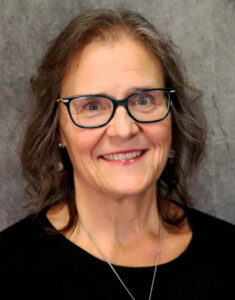
Sarah Culp is Director of Spiritual Care at St. John’s.
l