Sign In
Upcoming Event
 Free Newsletter

Excellus BCBS emphasizes prevention in cancer care

(Depositphotos)
(Depositphotos)
Excellus BCBS emphasizes prevention in cancer care


Key takeaways:
- Prevention and early detection are central to Excellus BCBS’s cancer care strategy.
- Members are encouraged to maintain annual wellness visits and screenings.
- Care teams help close gaps in care and address access barriers.
- The insurer promotes equitable, person-centered cancer support for all members.
Cancer care doesn’t begin at diagnosis — it begins long before. That’s the message Dr. Kathleen Robischon, M.D., vice president of medical affairs and clinical services at Excellus BlueCross BlueShield (Excellus BCBS), wants members and the community to understand.
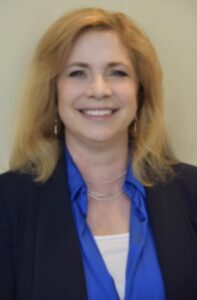
“Our primary goal is to make sure our members are living their healthiest lives, and that really starts with preventative care,” Robischon said. “If you only go to the doctor when you’re sick or injured, you miss the chance to talk about how to stay healthy.”
Prevention as the foundation
For Excellus BCBS, prevention is the cornerstone of its approach to supporting members throughout their cancer care journeys. The nonprofit health insurer — an independent licensee of the BlueCross BlueShield Association — provides coverage and services to roughly 1.5 million people across upstate New York.
That reach comes with a responsibility to help members take proactive steps to prevent disease and detect health problems early, Robischon explained. The company encourages annual physical and wellness visits, which allow providers to focus on long-term health rather than problem-based care.
“These visits are an opportunity to check blood pressure, monitor weight, review medications, and discuss preventive screenings,” she said. “They give physicians a chance to really know their patients — their baseline, their risks, and what support they might need to stay healthy.”
Preventive care, Robischon added, also includes vaccinations for influenza, pneumonia, shingles, and other illnesses that can weaken the immune system or complicate cancer treatment. “It’s about keeping the whole person well,” she said.
The broader impact of prevention
Robischon also highlighted the ripple effect of preventive health across workplaces and communities. Healthy employees mean less absenteeism and higher productivity, while healthier seniors can maintain independence and quality of life longer.
She noted that preventive care not only reduces costs but strengthens families, employers, and the health-care system as a whole. “It improves individual outcomes,” she said, “but it also improves our community health overall.”
For Robischon, that philosophy extends beyond the numbers. It’s about giving people the tools and support they need to live well, before and after a serious diagnosis.
“We want to surround members with the care they need and make it easier for them to get it,” she said. “That’s what prevention and compassionate care are all about.”
The importance of screening
The statistics behind prevention are powerful. Per Robischon, studies show that if people in the United States received all recommended preventive clinical care, approximately 100,000 lives could be saved every year.
Regular contact with a primary-care physician makes a measurable difference: patients who attend at least one yearly visit are 127 percent more likely to get recommended vaccines, 122 percent more likely to undergo colorectal cancer screening, and 75 percent more likely to receive a mammogram.
“Those numbers really speak to how critical that ongoing relationship with your provider is,” Robischon said. “It’s not just about catching disease early — it’s about building a culture of health.”
She noted breast cancer is the most diagnosed cancer in women and the second leading cause of cancer deaths, but that women who get mammograms get their diagnosis at an earlier stage, where it’s potentially curable and most definitely treatable.
“We see similar things when it comes to colorectal cancer,” Robischon said. “There are lower rates and incidence of mortality for colorectal cancer in people who take part in screening that allows for early detection.”
She noted that more than 40 percent of cancers are preventable, yet many people delay or skip screenings.
“The problem is we’re just not getting people in to screen soon enough,” she said. “We know that early screening improves outcomes. That’s why we put so much emphasis on outreach and education.”
Closing gaps in care
Excellus BCBS team members regularly identify members who have “gaps in care” — individuals who are overdue for a mammogram, colonoscopy, or other recommended screening. Care teams then reach out to help schedule appointments or connect members with providers who can perform the necessary tests.
“We coordinate with members to close those gaps because it improves not only their outcomes, but community health overall,” Robischon said.
Still, barriers persist. Some members face financial concerns, believing that preventive care will come with out-of-pocket costs. Others struggle with transportation or access to providers, especially in rural areas.
“Sometimes it’s a lack of awareness, sometimes it’s financial — maybe people are worried about a copay,” Robischon said. “For most preventive care, that shouldn’t be a barrier.”
She added that without regular primary care, many people end up turning to emergency rooms for issues that could be addressed elsewhere, contributing to overcrowding and higher system costs. “It’s not good for anyone — patients, hospitals, or communities,” she said.
Providing person-centered cancer support
Despite the best prevention efforts, some members will face a cancer diagnosis. At that point, Excellus BCBS’s approach shifts from prevention to comprehensive, person-centered support.
“We try to treat members with a holistic, whole-person care model — addressing their mental health, social determinants, and other needs alongside their illness,” Robischon said.
The health plan’s care managers play a pivotal role in this model. They help coordinate appointments, address transportation challenges, and connect members with community resources.
“Our care managers do a great job of taking that holistic approach and making sure that if there are barriers to getting care, we can help facilitate that,” she said.
Beyond logistical help, Excellus BCBS emphasizes equity and compassion in treatment. The insurer works to ensure that all members — regardless of background or location — have access to cost-effective, evidence-based cancer care.
“We want to make sure that the treatment people receive is not only appropriate and effective, but equitable,” Robischon said.
Caurie Putnam is a Rochester-area freelance writer.
e