Sign In
Upcoming Event
 Free Newsletter

MedTail growth in Rochester transforms retail spaces into outpatient health care hubs
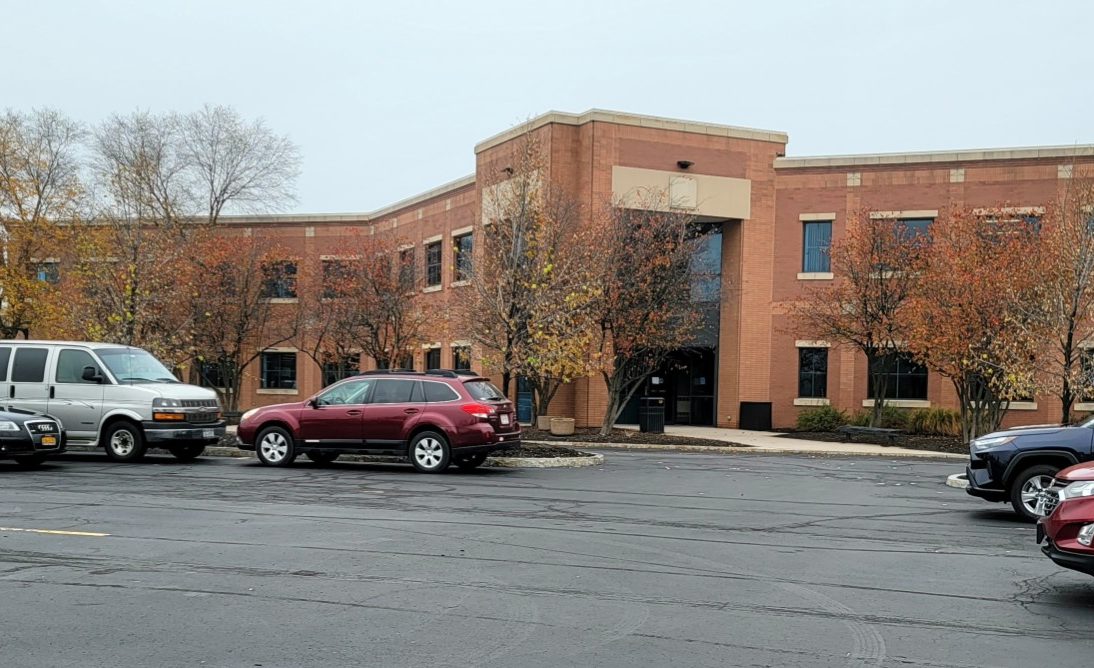
The Ambulatory Orthopedics Center at Marketplace Mall. (Photo provided by Dwyer Architectural)
The Ambulatory Orthopedics Center at Marketplace Mall. (Photo provided by Dwyer Architectural)
MedTail growth in Rochester transforms retail spaces into outpatient health care hubs


 Listen to this article
Key takeaways:
- MedTail refers to adaptive reuse of retail spaces into medical facilities, growing in Rochester.
- Rochester’s aging population (20% aged 65+) drives increased outpatient healthcare demand.
- Dwyer Architectural partner Jay Woodcock confirms outpatient care is the future of healthcare delivery.
- Marketplace Mall in Henrietta exemplifies retail-to-healthcare conversion with an orthopaedic outpatient center.

Health care expansion in Upstate New York is no longer tied strictly to population growth. In many counties, overall population has plateaued. Yet demand for health care services continues to rise, driven by an aging demographic, higher chronic disease and obesity prevalence, reimbursement reform, and persistent health care workforce constraints. As architects working across health care and commercial sectors in the Rochester area, at Dwyer Architectural we are witnessing a change in types of locations where that care is delivered. Hospital campuses remain essential, but much of health care’s growth is happening elsewhere: in former retail anchors, along suburban corridors, and inside spaces originally built for commerce rather than clinical care.
Across the Rochester region, the growth of outpatient needs is accelerating even as the overall population remains steady. The driving force is demographic. While Monroe County‘s population remains relatively stable, 20% are now 65 or older, a percentage that has increased over the past decade. This same aging shift is happening across both the state and the country. ¹ Growth in the 65-and-older population is reshaping health care utilization, increasing demand for orthopedics, imaging, cardiology, oncology, and rehabilitation services. Nationally, inpatient admissions per 1,000 residents have declined over the past two decades, while outpatient visits have more than doubled. ² Advances in minimally invasive procedures and imaging, combined with value-based reimbursement models, are steadily shifting care to lower-cost settings.
Partner at Dwyer Architectural in Rochester, Jay Woodcock, AIA, has witnessed this trend first hand, explaining, “For health systems, this major shift from inpatient to outpatient services is not a temporary fluctuation, this represents a long-term rebalancing of care delivery. Outpatient care is no longer optional, it’s where health care is headed.”
At the same time, the built environment is presenting opportunity. Retail vacancies across Upstate New York have created a new inventory of spaces with strong visibility and established access. National research indicates that roughly 20% of leased medical spaces now sit within retail properties. ³ “MedTail” is a term that has recently come to represent this trend of adaptive reuse from retail spaces into medical facilities.
In Rochester, the MedTail convergence is visible at Marketplace Mall in Henrietta, where a former retail anchor has been transformed into a comprehensive orthopaedic and specialty outpatient center. From a design perspective, the appeal of these properties lies in their innate physical characteristics. Retail anchors were designed with expansive, open floorplates that can now accommodate exam-room modules, procedural suites, imaging equipment, and rehabilitation gyms within a single level. Generous floor-to-floor heights provide the vertical clearance necessary for health care-grade mechanical systems. Surface parking for vehicles, often seen as excess in retail planning, becomes an asset for older patients and caregivers seeking direct, convenient access. Vacant locations near NY-390 and NY-490 further enhance regional accessibility.
Workforce pressures add another layer of strategic urgency. Persistent shortages in nursing and allied health roles continue to challenge health systems nationwide.4 Outpatient settings offer recruitment advantages, including predictable hours and lower-acuity care environments. Some new outpatient hubs are also incorporating training and simulation space, to blend clinical delivery with workforce development.
For health care providers, adaptive reuse can shorten development timelines and reduce site-development costs when compared to ground-up construction. For municipalities, health care tenants help to keep commercial areas active and to bring steady daytime activity. For patients, the experience mirrors retail’s original design intent: accessibility, simplicity, and proximity.
However, converting retail to health care is not as simple as reconfiguring walls. Retail buildings were never intended to accommodate the infrastructure that health care facilities depend on. Imaging equipment may require structural reinforcement. Structural framing may need to be reinforced to support new equipment and increased load conditions. Electrical systems must meet redundancy standards. Plumbing systems frequently need major upgrades to meet health care code requirements for handwashing sinks and drainage. HVAC infrastructure must support higher air-change rates and filtration levels, especially where surgical care is delivered.
There are also clinical planning considerations. Retail column spacing may conflict with ideal exam-room layouts and required sizes. Wide floorplates may limit natural daylight, which is increasingly recognized as critical to patient experience and staff well-being. Thoughtful layout design is required to separate public circulation from clinical back-of-house functions while maintaining operational efficiency.
In New York State, a change of occupancy can trigger additional fire protection upgrades, accessibility improvements, and regulatory review for licensed facilities. What appears externally as adaptive reuse often involves hospital-grade infrastructure concealed within a retail shell.
Cost remains a central consideration. Specialty outpatient buildouts—particularly those with imaging and procedural services—commonly range from $200 to $300 per square foot, depending on program and regulatory requirements.5 While adaptive reuse can reduce expenses for land acquisition and site development, it does not eliminate the technical complexity of health care construction. Early due diligence is critical. Roof systems, snow load capacity, aging utilities, and envelope performance must all be evaluated before design begins.
Monroe County’s building stock and demographics closely parallel national trends, yet the local context matters. Rochester’s suburban development pattern, winter climate, and established retail corridors make adaptive reuse particularly viable here. Surface parking and single-level access are not merely conveniences; they are functional necessities for a growing senior population. Meanwhile, revitalizing underperforming retail centers with health care tenants helps to stabilize shopping areas that might otherwise continue to decline in the era of online shopping.
From an architectural standpoint, the transformation of local spaces like Marketplace Mall reflects more than a change in tenancy. It represents a shift in how health care connects with the community. Care is moving closer to where people live, shop, and go about their daily routines. Buildings once designed for retail are being thoughtfully adapted to deliver modern medical care.
The shift toward outpatient care is lasting: shaped by an aging population, advances in medical technology, and the need to deliver care more efficiently. For those of us who design health care environments, this moment calls for thoughtful adaptation, guided by careful study, technical precision, and a deep understanding of the patient and staff experience.
The mall anchor tenants of yesterday are becoming the health care hubs of today. As designers, our role is to ensure that these conversions are not only feasible, but resilient, efficient, and responsive to patient care needs. When executed thoughtfully, these MedTail transformations create welcoming and accessible spaces that enhance clinical performance while supporting the needs of our evolving community.
Footnotes
- U.S. Census Bureau and New York State demographic trends data indicating growth in 65+ population cohorts across Upstate NY counties.
- American Hospital Association, trend data on inpatient admissions and outpatient visit growth over the past 25 years.
https://www.ahadata.com/aha-annual-survey-database
- CBRE Research, U.S. Medical Office Trends — reporting that approximately 20% of leased medical space is located in retail properties.
To Fill Empty Retail Space, Landlords Tap Doctors and Dentists – The New York Times
- National workforce shortage analyses, including reporting from SHRM and Healthcare Catalyst on nursing and allied health staffing gaps.
A Healthcare Worker Shortage Action Plan: Short-Term Wins and Long-Term Strategy
- Industry cost estimates cited in healthcare construction analyses and trade publications; specialty medical buildouts frequently range $200–$300 per square foot depending on scope.
Consumer Demand for Medtail Is Here To Stay, Though Other Facts Affect Its Expansion | ICSC
m