Sign In
Upcoming Event
 Free Newsletter

Local leaders see opportunities on the 2026 horizon

The Rochester region is poised to capitalize on several opportunities in 2026, according to local leaders. (Photo by Lauren Petracca)
The Rochester region is poised to capitalize on several opportunities in 2026, according to local leaders. (Photo by Lauren Petracca)
Local leaders see opportunities on the 2026 horizon


 Listen to this article
As we begin a new year, the Rochester Business Journal reached out to several community leaders for their thoughts on the year that is ending and the one that is about to begin.
Below are responses from 25 of those leaders to three questions about their expectations for 2026.
Last week, we published local leaders’ responses to three questions about how 2025 unfolded for the Rochester community.
What emerging trends or evolving market forces do you think will most influence your industry in 2026?
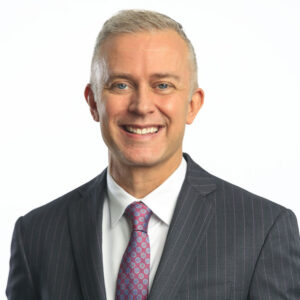
Jason Barnecut-Kearns, President and CEO, Trillium Health: “Unfortunately, safety net providers like Trillium Health will be experiencing financial pressures when a series of federal changes go into effect in 2026 and early 2027. When the 340B Rebate Model Pilot Program goes into effect on January 1, 2026, covered entitles will be forced to shift from an upfront prescription drug discount to a retrospective rebate when purchasing certain drugs. This will create a cash flow strain, along with a loss in 340B savings and an increased administrative burden. Additionally, two major changes included in H.R. 1 will go into effect. Beginning in March 2026, some SNAP recipients will be required to work at least 20 hours per week, or participate in work training, volunteer service, or other work-related activities in order to maintain their SNAP benefits. In Monroe County, we anticipate that 6,000 people will be impacted, which could have a direct impact on our Food Pantry. We will also be preparing for significant Medicaid cuts when work requirements go into effect on January 1, 2027. At Trillium Health, approximately 40% of our patients are on Medicaid, and we are expecting to lose $1 million annually due to the cost of uncompensated care.”

Timothy Brown, Regional President, NBT Bank: “Artificial Intelligence (AI) has the power to transform how we work, but only when it’s used the right way. At NBT, we’re committed to implementing AI in a responsible, ethical and efficient manner. These new tools are helping us work smarter, respond faster and serve our customers more effectively. Our goal is to bring new capabilities that will enhance how we communicate, create and collaborate with each other and our customers.”

Dr. DeAnna R. Burt-Nanna, President, Monroe Community College: “Though several trends will shape community colleges in 2026, the most pressing is the need to support students beyond the classroom. Non-academic challenges — whether food insecurity, financial pressure, or limited access to services — can derail even the most motivated learners. To meet this need, colleges are prioritizing the removal of these barriers. MCC Assist, funded through the generosity of MCC Foundation donors, provides emergency resources that help students stay on track and concentrate on their education.
“At the same time, changes in workforce demographics — particularly the rise of returning adult learners and individuals navigating mid-career transitions — are driving demand for flexible, career-aligned pathways. Microcredentials and fast-track programs offer targeted training that helps learners quickly gain in-demand skills, and MCC’s Economic and Workforce Development Center uses labor market data to ensure these programs align with regional skill gaps.
“By combining robust student support, strong industry partnerships, and responsive workforce training, MCC prepares a skilled talent pipeline and promotes sustained regional economic growth.”

Jim Continenza, Executive Chairman and CEO, Kodak: “The trend toward onshoring will continue to drive our commitment to local manufacturing in both our Print and AM&C businesses. We manufacture printing plates in Georgia for customers in the U.S. and Canada and we manufacture digital print equipment and inks, a wide range of films and pharmaceutical reagents for the U.S. market right here in Rochester.”

Richard “Chip” Davis, PhD, EdM, Chief Executive Officer, Rochester Regional Health: “The year ahead will be shaped by rapid advances in artificial intelligence, shifting Medicare and Medicaid reimbursement, and rising total costs of care. We also expect growing demand from an aging population, especially in Rochester where many residents need complex and coordinated services. Hospitals nationwide continue to face financial strain as labor and supply costs rise faster than reimbursement. Community-based health systems like ours feel this pressure most acutely, since we serve everyone regardless of ability to pay. In this environment, innovation becomes essential. Continued investment in new care models, workforce training, and solutions developed inside our innovation labs will help us remain stable and responsive to regional needs. Economies grow when they invest in problem solving, and Rochester is well positioned to benefit from this approach as we build the next generation of health care delivery.”

Bob Duffy, President/CEO, Greater Rochester Chamber of Commerce: “The economic uncertainties for 2026 that are currently being discussed have caused many businesses to hold off on some key decisions until the landscape becomes clearer.
“I applaud Gov. Kathy Hochul’s ‘all of the above’ approach to energy and her halting of some of the energy/climate decisions and timelines which have impacted affordability and construction. We need a more common-sense approach to energy along with a massive investment in our infrastructure, to meet the demands of our region.
“These trends can have a major positive impact on Upstate NY — if they receive the necessary support in 2026.”

Marisa Geitner, President & CEO, Heritage Christian Services: “Our long-term strength depends on two things: adequate Medicaid funding and strong collaboration across the health care system. Fee-for-service Medicaid resources must keep pace with rising needs, especially as people live longer and require more complex support.
“At the same time, providers are navigating shared challenges: workforce shortages, aging populations and growing community demand. No single organization can solve those issues alone. Progress requires alignment among providers, families, advocates and policymakers.
“Including the perspectives of people with lived experience helps ground those conversations in what truly works. But the broader goal is stability: a sustainable system that supports workers, adapts to change and ensures that people continue to receive consistent, high-quality support in their communities.”
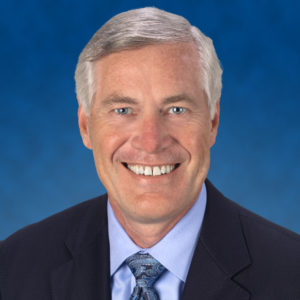
John Gibson, President and CEO, Paychex, Inc.: “AI will continue to permeate our lives in 2026. Its impact on businesses and consumers has transformed how many view the market, and I expect that will continue in the years to come — we are just scratching the surface.
“At Paychex, we are accelerating innovation across our three purpose-built platforms — Paychex Flex®, Paycor®, and SurePayroll — to democratize AI with the goal of making enterprise-grade AI technology accessible to all businesses. We aim to empower businesses to achieve outcomes faster so they can compete in today’s dynamic workforce landscape.
“Success in AI hinges on the quality and scale of data. With more than 50 years of experience, Paychex is fortunate to have one of the richest datasets in our industry and is uniquely positioned to drive superior AI performance and insights. We have a history of achieving clear, measurable business outcomes that drive revenue, efficiency, and client satisfaction. Our data prowess and the AI-powered solutions we’re bringing to market will only continue to grow in 2026 and beyond.”

Chris Jagel, Chief Executive Officer, Harris Beach Murtha: “I’ll highlight two powerful influences that have affected many industries, including the legal sector, and will likely continue in 2026 and beyond:
“Businesses across all industries are in a race to understand AI — its risks, opportunities, impacts and effective uses. AI is a bourgeoning field, and those who stay informed and educated to mitigate risk and effectively navigate the rapidly evolving challenges will be better positioned than those who do not. Harris Beach Murtha established an AI committee, made up of a cross-functional group of attorneys and staff, to create policies and procedures for firm-approved AI uses and platforms, and formed an AI Industry Team to help clients navigate the legal, ethical, regulatory and business challenges brought by this evolving technology.
“The impact of changing and conflicting federal, state and local, and global policies on business operations will continue to force us all to anticipate, adapt and react quickly. For example, our attorneys continue to be sought-after resources for insights into the evolving landscape of energy, environmental, government compliance, immigration, labor and employment and tariffs policy, among others.”

Don Jeffries, President & CEO, Visit Rochester: “Continued reach out to our international travel market and stay focused on our meeting and sports events. And take advantage of the America 250 celebrations and the World Cup.”

Mark Kovaleski, Managing Partner, MMB+CO: “Three forces will reshape public accounting: artificial intelligence integration, generational wealth transfer, and increasing regulatory complexity.
“AI will continue automating routine tasks, accelerating the shift from compliance-focused work to advisory partnerships. Firms that thrive will embrace technology while maintaining the human judgment, relationship-building, and strategic thinking clients value most.
“As Baby Boomers retire and sell businesses, unprecedented opportunities emerge for succession planning, transaction support and strategic guidance. Business owners need trusted advisors who understand their goals and can help them navigate complex transitions.
“Finally, regulatory complexity around taxes, cybersecurity, and data privacy continues growing. Clients need proactive guidance, not just reactive compliance. For Rochester-based firms like ours, these trends favor those who combine technical excellence with deep community relationships and genuine commitment to client futures.”

Jen Lake, President & CEO, Goodwill of the Finger Lakes: “As a social enterprise, our operations are tied to our mission — creating jobs while generating revenue for our mission programs. In 2026, shoppers are becoming intentional, prioritizing durability, versatility and value over constant newness. This shift aligns with our thrift model, strengthening our stores’ relevance.
“Our mission programs remain a central focus. Last year, 211/LIFELINE connected over 150,000 people to vital resources, and we expect volume to grow in 2026. Goodwill Learning Academy helps adults earn their high school diploma and overcome barriers to family-sustaining wage fields or higher education. 988 Suicide & Crisis Hotline continues to support our most vulnerable neighbors 24/7, and Goodwill Vision Services continues to serve individuals living with low vision or blindness while funded mostly through our own Goodwill Stores. Most people don’t realize these services aren’t funded with insurance.
“Resource constraints and rising consumer awareness are accelerating repair, reuse, refurbishment and recycling models. Circularity is no longer a differentiator but a baseline expectation, with Goodwill leading the way keeping 28 million pounds of items in circulation.”

Ernie Lamour, President & CEO, YMCA of Greater Rochester: “There are two trends that will challenge our way of thinking in 2026: rising operational costs and the need for quality childcare. Like most organizations, the Y is not immune to the impact of rising operational costs. We continue to work to find new ways to keep up with rising costs while continuing to serve all. Childcare impacts everyone — whether a parent or not. We continue to work with partners to ensure we can provide safe, reliable care so parents can enter, remain in and advance in the workforce. The decisions we make will greatly impact our people — members and staff. The Y is committed to making sound future decisions that will ensure we are here for our community for decades to come.”

Sarah C. Mangelsdorf, President and G. Robert Witmer, Jr. Professor, University of Rochester: “We are watching federal proposals to fund research through agencies like the National Science Foundation, the National Institutes of Health, the Department of Energy, and others. Since World War II, university-government partnerships have made the U.S. the world’s scientific, economic, defense and higher education leader. That support ensures U.S. global competitiveness and ensures public benefit from those advancements at a time when other nations are challenging our scientific leadership.
“We are watching proposals for health care and health insurance. The recently enacted budget reconciliation bill will greatly impact Medicaid funding, affecting our hospitals in rural parts of New York, as well as impacting the state budget. Increases in health care premiums for those on Affordable Health Care plans have the potential to drive more people into the ranks of the uninsured, which may require our clinical enterprises to pick up added costs.
“Like all universities, particularly in the Northeast, we face demographic trends among prospective student pools that will require us to be more targeted in efforts to bring outstanding students to contribute their energy to our community.”

Colleen Matteson, President, Bank of America Rochester: “According to Bank of America’s Chief Investment Office, we see the potential for a new phase of economic and market growth, powered by AI innovation, infrastructure investment, energy transformation, and global shifts in defense and technology. There are risks associated such as geopolitical tensions, inflations, equity valuations and concerns about an AI bubble, based on Outlook 2026: Powering up: What could drive the next era of growth? We believe the underlying fundamentals are strong. Capital spending on AI and data infrastructure is accelerating, corporate earnings continue to surprise, and U.S consumers remain resilient.”

James R. Reed, President and Chief Executive Officer, Excellus BlueCross BlueShield: “In 2026, the health care industry will continue to face significant financial and operational challenges. Rising costs are impacting every part of the health care system — from prescription drugs and hospital services to the growing demand for complex, high-cost care. Nonprofit health plans in Upstate New York have faced further challenges driven by substantial increases to the wage index component of Medicare hospital payment rates. Changes to the Medicare wage index resulted in $1 billion in new federal funding for upstate New York hospitals, which we supported. While we are pleased to see our hospitals get this support, the federal government did not give health plans a corresponding premium increase, leaving the nonprofit plans to absorb hundreds of millions of dollars in losses.
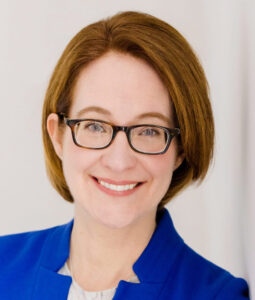
Jaime Saunders, President and CEO, United Way of Greater Rochester and the Finger Lakes: “Two critical forces will define the nonprofit sector in 2026: unstable funding and dramatically increased community need. Policy changes to core services — SNAP/food stamps, Medicaid, heating assistance, housing supports, and early childhood programs — are creating surging demand for services precisely as federal, state and municipal funding becomes unreliable. For United Way and organizations across the sector, 2026 presents an opportunity to demonstrate our adaptability in how we come together to support one another and reinforces why investing in nonprofits is essential for thriving communities.”
“In the coming years, we’ll continue addressing the growing challenges of rising costs through a variety of strategies — such as deepening our partnerships with hospitals and doctors to improve health outcomes across our communities.”
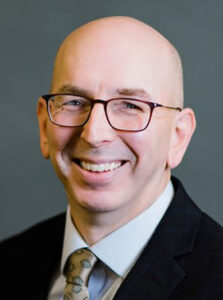
Jeff Sinsebox, President, Empowering People’s Independence: “AI will become significantly more important for nonprofits in 2026. Through the automation of routine and time-consuming tasks, smaller teams will be able to accomplish more without sacrificing impact. Administrative work like data entry, basic accounting, creating marketing content, and analyzing quality metrics could free staff to address more direct mission related work.”

Julia Tedesco, President & CEO, Foodlink: “In 2026, significant Federal cuts to Medicaid and SNAP will lead to decreased monthly benefits and tougher eligibility requirements. This change will affect the health and well-being of between 10,000 and 20,000 residents across our 10 counties, remove millions of dollars from our local economy, and put added stress on an already strained emergency food network and social sector.”
How do you expect the talent landscape to shift in 2026, and what strategies will be critical for attracting or retaining skilled employees?
Barnecut-Kearns: “The talent landscape in 2026 is expected to become increasingly competitive, particularly for clinical roles, as workforce shortages persist. Employees will continue to prioritize flexibility and purpose-driven work, making it essential for organizations to adapt. To attract and retain skilled talent, Trillium Health will continue to focus on its mission, vision and values, while offering flexible work options whenever possible and a strong work-life balance. Additionally, we will continue to offer training for career development, tuition advancement for certain positions, student loan assistance, wellness programs, and management training. Finally, we will build talent pipelines through partnerships with high schools, trade schools and universities to meet future workforce needs.”
Brown: “Here at NBT, we truly believe that our people are our competitive advantage. Technology, demographics and ever-changing employee expectations are key components of today’s talent acquisition process. As part of our retention strategy, NBT offers a variety of formal programs to support employees in professional development and career advancement. From our student associates to senior leadership, we are dedicated to supporting employees at every stage of their career journey.”
Burt-Nanna: “The talent landscape is evolving rapidly, with rising demand for workers skilled in technology-focused, industry-relevant fields. To meet these needs, we prioritize providing accessible, industry-informed education and training programs that prepare students for high-demand careers. Student enrollment increased by over 500 students in credit-bearing courses, and overall full-time enrollment (FTE) is up 4.6% (an increase of 141.1 FTE).
“Through our advising efforts, fewer students than ever are enrolling in General Studies, which shows a shift toward programs that lead directly to careers. MCC’s Economic and Workforce Development Center uses local labor market data to identify skill gaps in the Finger Lakes region and develop programs aligned with employer needs and regional priorities. Fast-track programs enable learners of all ages to earn microcredentials and work toward an associate degree, offering flexible options for entering the workforce or advancing careers. By combining practical, technology-oriented training with data-driven program planning, MCC attracts and prepares skilled workers to succeed in a shifting labor market and support regional economic growth.”
Continenza: “We expect it will continue to be challenging to attract skilled employees, especially to manufacturing jobs. We are addressing the challenge with our apprentice training program at Eastman Business Park in Rochester, which is the largest in NY state. We also offer a company-funded pension plan for all employees, which is extremely rare these days. Our transition to being a growth company will also help us attract candidates.”
Davis: “The talent landscape in 2026 will be increasingly competitive, with demand for nurses, advanced practice providers, allied health professionals, and digital experts rising across New York and nationwide. To remain an employer of choice, we must offer an environment where people feel valued, supported and inspired. Younger professionals seek purpose and growth, while experienced staff prioritize stability and respect. Both expect workplaces that prioritize well-being and foster long-term success. Our strategy focuses on education and leadership development. Rochester General College of Health Careers continues to expand, supported by strong academic partnerships that strengthen the talent pipeline. Programs like Advance U, launched in 2023, covering tuition upfront for eligible tracks, including RN-to-BSN, medical assisting, coding, and clinical certifications. Through Empower U, employees enrolled in clinical programs receive employment and scholarship support. These initiatives eliminate out-of-pocket costs and create clear pathways for advancement — critical for attracting and retaining top talent.”
Duffy: “First of all, we need both political parties to forge an agreement on immigration policies. We need secure borders and we need workers — especially those who are so critical to our agriculture and other professions.
“We need to do a much better job preparing our young people for careers that will sustain themselves and their families. College is a great path for some and the skilled trades for others. Our military also offers terrific service/career opportunities.
“Aside from these suggestions, what I have heard repeatedly from CEOs and hiring managers is they want candidates who can read/write/do basic math, show up for work every day, be willing to work hard and get along with others.
“Our Chamber has been designated as the lead for Talent Strategy, and we work with all our college campuses to retain grads and routinely recruit people to locate or relocate to the Rochester region.
“Potential employees today want growth opportunities and flexibility — and also to be valued. Successful employers are doing just that.”

Andrew R. Gallina, President, Gallina Development Corp.: “I believe that employers are putting more of an effort into having their employees return to the office. Although hybrid options continue to be attractive to many employees, we are seeing a bit of a shift in the number of employees returning to the office more regularly. We have recently welcomed new tenants in downtown properties in wonderfully designed office space, creating beautiful and creative workspaces that appeal to their employees. With that said, we all need to encourage that trend by improving the downtown experience through improved public safety, cleaner streets and, of course, more options for things to do. We have had several new restaurants open up downtown, and our festivals, such as the ROC Holiday Village, can be great opportunities for our residents and visitors to come and enjoy all that downtown has to offer.”
Geitner: “We’re going to keep seeing strong competition for skilled people, along with higher expectations around flexibility, growth and feeling genuinely supported at work. In human services especially, the work is more complex, and it requires both technical skill and strong relational ability.
“What makes the difference is being clear and consistent about what people can expect: fair, predictable wages; real opportunities to grow; and leadership that invests in them. Coaching, mentoring and leadership development aren’t ‘nice to haves’ anymore. They’re essential.
“Culture matters just as much. People want to feel respected, informed and connected to something bigger than their job description. For caring professionals in particular, feeling valued and equipped goes a long way toward staying engaged and doing their best work.”
Gibson: “Our customers continue to tell us they are challenged finding qualified workers, especially smaller businesses that are competing with larger organizations for talent. Smaller businesses, in particular, are feeling the pressure as they compete against larger organizations for top talent. With an increasing emphasis on AI skill development in the coming year, it’s crucial for these businesses to provide the training and benefits necessary to compete and scale effectively over the long term.
“At Paychex, we are committed to helping our customers level the playing field by offering competitive benefits, HR insights, and expert advice that drive their success. Our Paychex Flex® Perks — a curated digital marketplace for employee benefits at no cost to employers — along with our Retention Insights and HR Analytics solutions equip businesses with the tools and benefits they need to attract and retain talent in today’s competitive environment.”

Heidi Schult Gregory, Rochester Office Managing Partner, Harris Beach Murtha: “Most businesses and industries, including the legal industry, experienced challenges to recruit and retain top talent in 2025, and I expect those challenges to continue into 2026. Harris Beach Murtha is growing and is committed to a growth mindset in this office and in our offices across our Northeast footprint. Our unique position in Rochester, a region without a law school, drives us to maintain strong relationships with reputable law schools, bar associations and professional organizations. These partnerships help us create a robust pipeline for young attorneys.
“We are committed to retaining top talent, and maintain a culture grounded in excellence, collaboration and dedication to both our clients and colleagues. Additionally, we offer programs and opportunities designed to support the professional growth and development of our attorneys and staff.”
Jeffries: “We see the talent shortage in the hospitality industry getting a little better as the landscape slowly turns back to an in-person workforce.”
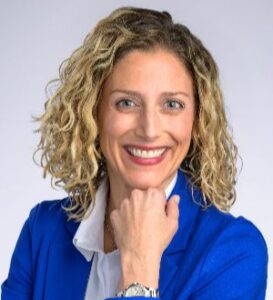
Kimberly Jones, President & CEO, Butler/Till: “With AI — and technology, in general — roles are evolving and new roles are emerging faster than ever before. Therefore, continued opportunities for learning and development are critical for the success of our employee-owners and our agency. We have built a strong L&D plan to focus on new employee onboarding, functional learning, new skill development, and leadership training. Our goal is to create an environment for every employee-owner to do their very best work today and years from now.”
Kovaleski: “The talent landscape in 2026 will favor organizations offering purpose alongside paychecks. Accounting professionals want meaningful work, flexibility and connection to something larger than themselves — evaluating employers on culture, values and growth opportunities as much as compensation.
“To attract and retain strong talent, our focus remains on creating an environment where people can build long-term, meaningful careers. This includes leadership pathways, mentoring, professional development, flexible work arrangements and opportunities to contribute to high-impact client work. Our strategy centers on authenticity — we live our values of flexibility, community, collaboration, integrity and excellence daily.
“We’re creating diverse career pathways beyond the traditional partner track, recognizing that excellence takes many forms and people define success differently. When you combine interesting work, a supportive culture and genuine commitment to both clients and colleagues, you build an organization where people want to contribute for the long term.”
Lake: “At Goodwill of the Finger Lakes, we are honored to be Great Place to Work for the second year in a row and we do not take that lightly. Next year, the talent landscape will be shaped less by job titles and more by how employees experience work. Skilled workers are prioritizing environments where they feel valued, supported and able to grow.
“AI and automation will continue to change roles, but the winners won’t be companies that simply deploy new tools. They’ll be the ones that redesign work around people — using AI to remove low-value tasks so employees can focus on creativity, judgment and impact. Continuous reskilling, internal mobility and visible career pathways will become core retention levers.
“Culture and leadership quality will matter more than ever. Employees will stay where managers communicate clearly, support well-being and create psychological safety.
“Attracting and retaining talent in 2026 will hinge on a simple shift: treating employees as long-term partners in growth. Organizations that listen, adapt and design work around human needs will stand out in an increasingly competitive market.”
Mangelsdorf: “Our need for talented employees who are committed to our mission of education, research, artistry and clinical care will not diminish in 2026 or after. We are fortunate that the Rochester area is rich in human talent and entrepreneurial drive, and we will continue to recruit the most talented scholars and scientists from all over the world. We have success in attracting and retaining great people because we offer an environment and a community culture that celebrates ideas, innovation, teamwork and service to the community. That’s attractive to curious researchers and compassionate medical scientists who want to see that they are making a difference in their fields, among their students, and with all the community members with whom they interact.
“We have seen growth in particular segments of clinical care, and we expect to continue to invest in those areas of growth. Across the institution, we will be strategic in how we invest in our programs and our people.”

Faheem Masood, President & CEO, ESL Federal Credit Union: “Our expectations for the coming year are that it will continue to be a competitive environment for high-quality talent at all levels of the organization. We recognize that to deliver superior customer experiences, we must first deliver superior employee experiences. We take great pride in listening to our employees and making improvements to our pay, benefits and workplace environment to strengthen our workforce. In order to meet the rising needs of our business and community, our aim is to support employees in the work they do today and give them the resources to support their success for where we’ll be tomorrow.”
Matteson: “Employers must focus on the power of AI and upskilling to drive growth in 2026. At Bank of America, our 213,000 global teammates have access to learning and development through The Academy, the bank’s award-winning onboarding, education and professional development organization. From leveraging virtual reality for real-time client service training to personalized mentorship and one-on-one coaching, The Academy offers a wide array of tools and resources to help teammates develop their skills and grow with us, no matter their role or where they are in their careers. As we identify areas of need across the business, Bank of America is also enhancing The Academy to support our commitment to responsible AI use to have a transformative effect on employee efficiency and operational excellence.”

Jerry Warner, President, CooperVision Inc.: “We need to continually challenge ourselves to make sure we are relevant to our teams. We need to help our teams understand the businesses’ strategic direction and our mission driven purpose. To be an employer of choice, we need to be in the community explaining who is and what does CooperVision do! At our Victor facility, we are evolving the offerings and the operating environment to make our space more welcoming. Development needs to be available digitally and through more formal ‘classroom’ training. The digital piece is important, because it allows us to meet an individual where they are, focused against their specific needs, versus waiting for appointment training that may be more general.”
Craig Wittlin, Managing Partner, Harter Secrest & Emery LLP: “We are now more than five years past the beginning days of the pandemic and as the dust has settled, I see two things converging: in many ways things have returned to normal, with increased in-office work and, at the same time, a large number of people enjoy the flexibility brought about by an enhanced ability to work remotely. For us, the key to effective recruiting and retention is a willingness to meet people where they are and provide a fulfilling professional experience that can look different for different people.”
In what ways do you see your company contributing to or shaping the broader business community in 2026?
Barnecut-Kearns: “Trillium Health is committed to serving the community, and we plan to open a new location on Jefferson Avenue in the spring of 2026. Our newest location will offer family medicine, supportive services, behavioral health, and on-site phlebotomy. We will continue to grow and provide compassionate, judgment-free and affordable health care for everyone in our community.”

Marty Birmingham, President & CEO, Five Star Bank: “Small business is big business, not just to Five Star, but to our local, regional and state economies. Five Star Bank is committed to being a true partner to Rochester’s small businesses by providing not just capital, but the personalized guidance and support they need to succeed. With more than $6 billion in assets, we have the resources of a larger bank, and we’ve kept what matters most — local leadership, local decisions and genuine relationships with the people and businesses we serve. I believe that will support our continued success and growth in the small business space.”
Brown: “NBT is strategically expanding its presence in markets where we see opportunity for growth, including Rochester, where a new financial center is planned for 2026. This investment underscores our commitment to serving local businesses, organizations and individuals by building strong relationships and offering customized financial solutions.
“Our active local engagement strengthens NBT’s role as a trusted partner in building community by supporting regional economic development, fostering workforce advancement and promoting financial well-being and prosperity for all.”
Burt-Nanna: “MCC will continue shaping the broader business community through workforce development and regional collaboration. MCC’s three-year graduation rate of 26.8% is the highest in the past 20 years. As co-chair of the Finger Lakes Regional Economic Development Council and a member of the American Association of Community Colleges Board of Directors, I have the opportunity to help align our educational and training programs with regional and national economic priorities. MCC leverages this leadership to ensure programs in advanced technology, optics, renewable energy, and other high-demand fields address local skill gaps. By providing students with pathways to earn degrees in careers that offer family-sustaining wages, MCC supports individual success while strengthening the broader community. Partnerships with industry, government, and philanthropic organizations create a well-prepared talent pipeline, helping the region remain competitive and innovative. MCC’s most recent economic impact report clearly illustrates the significant impact the college has on the region’s economy through workforce development, student earnings, and support for local businesses.”
Davis: “As the second-largest employer in the region, Rochester Regional Health plays a vital role in the economic strength of Rochester and Upstate New York. With more than 20,000 team members, our stability directly impacts local businesses, schools and neighborhoods. When we remain strong, the region thrives. In 2026, we will deepen our commitment to regional growth through strategic investments in health and innovation. This includes recapitalizing facilities, expanding virtual care, and deploying AI-enabled technologies to enhance patient and provider experiences. We will broaden access to primary and specialty care, supporting employers who depend on a healthy workforce, and continue investing in rural and behavioral health services to strengthen families and communities. By fostering partnerships and driving innovation, we aim to make Rochester a destination for health care excellence. Rochester has always been a city of ideas, and we intend to help carry that legacy forward.”
Duffy: “It is a fascinating time for Rochester and the Finger Lakes region. Our Chamber team contributes every single day by leveraging relationships, providing support, and relentlessly working/lobbying for our members and region.
“We do not take credit for what we do, and there is no request that is too large or too small for us to weigh in/help. From lobbying for legislative changes, grant support, and business expansions, to convening/connecting people and organizations for their mutual benefit, to providing staffing/background services, and HR support, we do our very best to help/support our members and our region.
“I am pumped about the opportunities that lie ahead for 2026. We have the commensurate leadership, talent and organizations to make 2026 a truly transformational year. Let’s get to work Rochester!”
Gallina: “Our substantial investments downtown continue to help improve the long-term vitality in the center city. An improved, safe and clean downtown will enhance our tenants’ experience, be it residential or commercial. We need to celebrate the progress that we have made, which will help to attract more workers and residents to our downtown buildings.”
Geitner: “We’re seeing real signs that recent investments in the care industry are working. We’re seeing it in fewer open positions, better retention, stronger quality measures and a workforce that’s more skilled and more confident in its work. In addition, our work has been highlighted in notable ways: Heritage Christian Services was named to the Greater Rochester Chamber Top 100 for the fourth year in a row, ranked at the top of the RBJ’s list of the largest nonprofit organizations in the region and ranked in the top 10 on the RBJ list of the region’s largest employers.
“That progress didn’t happen by accident, and it matters well beyond our organization. It shows that when New York invests in this sector, it strengthens communities and creates stability. That’s momentum we need to keep building on, not pull back from.
“Eleversity, our learning and development arm, reflects our belief that an investment in learning will benefit not only organizations but the broader community. Its programs focus on skill-building, leadership development and career growth in ways that build long-term engagement and opportunity for businesses across New York.”
Gibson: “Paychex continues to build on the tremendous foundation Tom Golisano set in 1971 and continues to find ways we can engage the community to build a vibrant community here in Rochester and across all the communities we live and serve. Our commitment to our purpose of helping businesses succeed, providing personal and professional opportunities our employees, delivering for our shareholders, and investing in our communities has not changed and will continue in the years ahead.”
Gregory: “Our firm is deeply invested and involved in our community and proud to play a role in supporting the growth and strength of our local and regional economy. We maintain a range of strategic partnerships and sponsorships at the organizational level, and our attorneys and staff go beyond their professional roles dedicating time to volunteering, serving on nonprofit boards and participating in professional organizations that advance both the legal profession and the community. We believe that meaningful involvement contributes to the ongoing vitality of the communities where we live and work.”
Jeffries: “Tourism is a billion-dollar business in Monroe County, and we are seeing a steady recovery from the effects of the pandemic. This recovery will continue to bring additional revenue to Monroe County and create more jobs.”
Jones: “If you’d like to see the impact Butler/Till is making on our community, just come visit us at the Butler/Till building on the corner of Clinton and Broad! We are in the process of expanding our own footprint within the building to accommodate our employee growth and we look forward to welcoming a new retail tenant soon! We couldn’t be more dedicated to helping downtown thrive and are proud to call our Rochester HQ ‘home.’”
Kovaleski: “As a Rochester-headquartered firm serving the region, we have both opportunity and responsibility to contribute to our community’s economic vitality. In 2026, we expect to deepen our role as both a trusted advisor and an active contributor to the regional business community. Through our advisory services, we will help organizations navigate growth, risk management and digital transformation with greater confidence.
“We also view our leadership composition as an important part of our impact. More than half of our leadership team is comprised of women — an uncommon distinction in public accounting. We take great pride in supporting and advancing women throughout the profession, and we believe this commitment strengthens the broader business community by promoting diversity of thought and representation.
“We’ll continue our strong tradition of community involvement — serving on boards, supporting nonprofit initiatives, providing educational programming, and our annual Day of Caring where our team volunteers across the region. When you truly value your community’s future, your success becomes inseparable from the community’s success.”
Lake: “In 2026, Goodwill will shape the broader business community by demonstrating circularity is not only environmentally responsible, but economically viable and scalable. Through our retail and reuse operations, we extend the life of goods, reduce waste, create local jobs and strengthen regional economies — all while meeting growing consumer demand for value and sustainability. By keeping millions of pounds of stuff in circulation annually, we model how to move beyond a linear “take-make-waste” approach and adopt systems built around reuse, repair and recycle. Our operations serve as a real-world example that circular practices can be integrated into everyday business, not treated as niche or experimental.
“We also influence partners, donors and peers by raising expectations around responsible consumption and waste reduction. As circularity becomes the standard, our leadership normalizes these practices across industries, encouraging others to rethink product life cycles, supply chains and community impact. Ultimately, our contribution is shifting business conversations — from growth at any cost to growth that is resilient, inclusive and rooted in long-term value for both people and the planet.”
Mangelsdorf: “The National Science Foundation has named Rochester and the Finger Lakes region coalition led by the university to be one of only 15 finalists nationally for its highly competitive Regional Innovation Engines. Our project aims to make the region a national hub for laser technologies, education, company creation, manufacturing, and workforce development. The project’s key partners include our Institute of Optics and Laboratory for Laser Energetics; and Monroe Community College, RIT, Nextcorps, Luminate, Greater Rochester Enterprise, AmeriCOM, and New York State.
“One of the most rewarding aspects of being part of an academic community is the breadth of our mission and the ways in which our faculty, staff and students undertake their work. Our people are working to save lives and to keep families whole; working to improve the physical, social and mental well-being of community members; presenting musical and artistic performances that demonstrate the vitality of the human spirit; and our students are engaged across the community.
“We are part of nearly every aspect of economic activity in the region, and that is the kind of community member we want to be.”
Masood: “In the coming year, we look forward to continuing providing accessible financial services while building upon new opportunities with additional services and service areas. We look to strengthen our community partnerships and expand our investments to help support economic growth across the region. We also remain committed to helping businesses with the necessary financial solutions and expertise to start, maintain or grow their business. With our new broader footprint, ESL can reach more business owners and help meet their unique financing needs across our full service area.”
Matteson: “Bank of America and our more than 200 teammates are part of the fabric of Rochester. As a company we ask a simple question every day, ‘What would you like the Power to do?’ to those we serve. By asking this question, we continue to learn what matters most to our clients, community and business leaders, teammates and shareholders and identify ways our capabilities can help others be successful. Because we recognize that we can only be successful when individuals, companies and communities reach their vision of success, our commitment to Rochester is unwavering and we will continue to invest in job creation, economic opportunity, affordable housing and food insecurity.”
Reed: “At Excellus BlueCross BlueShield, our role extends beyond health insurance — we’re committed to driving innovation and collaboration across the business community. As a local, nonprofit health plan in our region, we’re committed to helping businesses find meaningful ways to improve the quality of care for employees while managing costs. By working closely with provider partners, we’re also advancing models of care that improve quality and address rising costs, while expanding virtual and in-home services to meet evolving consumer needs. At the same time, our partnerships with community organizations help address social determinants of health — such as food security, housing, transportation and workforce development — because healthier communities strengthen the entire economy. We’re also committed to fostering a culture of shared responsibility, where businesses, health systems and leaders work together to create sustainable solutions that improve lives in our communities.”
Saunders: “For more than 100 years, business leaders have partnered with United Way because they understand a simple truth: thriving communities create the conditions for thriving businesses. The year ahead will be one of tremendous change in our nonprofit sector and local service delivery. United Way will continue our core work to connect businesses to their communities, helping companies translate their values into meaningful action — through workplace campaigns, volunteering, and programs like our ALICE at Work helping their employees who are struggling to make ends meet. By connecting businesses to community resources and nonprofit partners, we’re strengthening the foundation for a more stable workforce, healthier employees, safer neighborhoods, and a more vibrant regional economy. In 2026 we invite more partners to join in during such a time of change and opportunity.”
Wittlin: “HSE has been an important part of the Rochester business community for over 130 years. In 2026, we will continue to do that not only by serving our clients and helping them meet their business goals, but also through the work our partners, associates, counsel and staff do every day in service to dozens of community organizations that are working to make Rochester a better place.”
5