Sign In
Upcoming Event
 Free Newsletter

Yong “Tai” Wang
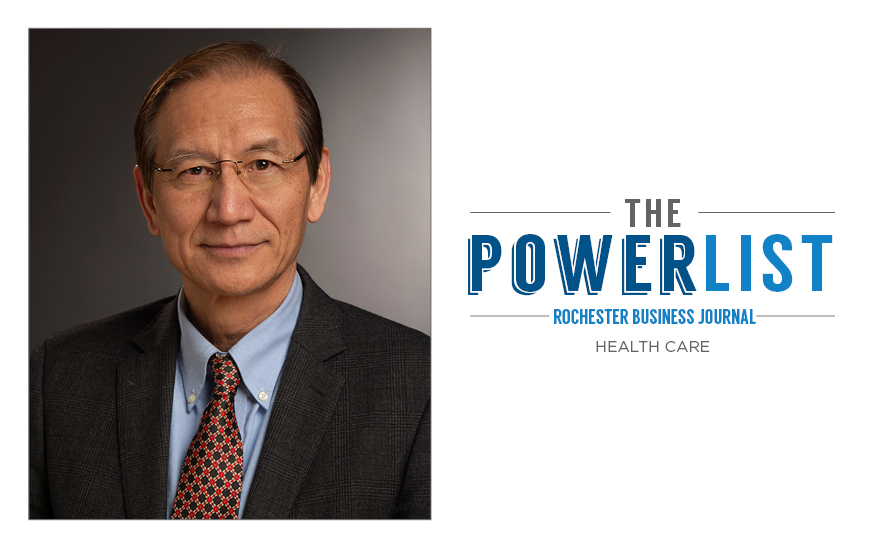
Yong “Tai” Wang


 Listen to this article
Professor and Dean, College of Health Sciences & Technology, Rochester Institute of Technology
Years in current role: 5
What emerging trends or technologies do you think will have the biggest impact on health care in the next 12 months?
AI continues to hold enormous potential to improve diagnostics, predict recovery outcomes and personalize care. It can also support mental health screening and interventions, particularly through telehealth and telerehabilitation platforms. Another growing trend is the expansion of home-based care, from hospital-at-home models to mobile health units, such as those supported by the Ronald McDonald House, which improves access and convenience for patients, especially in underserved areas. These innovations can enhance patient outcomes, increase equity and support more proactive and engaged health management.
What’s one lesson the past few years have taught you about resilience or innovation in health care?
Investing in advanced simulation technology has been essential to strengthening health care education. These tools offer students the opportunity to safely practice high-stakes procedures, develop clinical reasoning skills, and enhance their confidence in a risk-free setting. In our program, expanding simulation scenarios and renovating our labs have been crucial steps toward preparing students for real-world complexity and delivering innovative patient care.
What skills or qualities do you think are essential for the next generation of health care leaders?
Future health care leaders must understand the complex needs of diverse populations and age groups. They must balance access, cost and quality while navigating shifting reimbursement models. Strong leaders think holistically, implement culturally responsive care, and address social determinants of health. Managing chronic disease, especially among aging populations, will require innovative, person-centered approaches and an ability to lead multidisciplinary teams focused on prevention and equity.
How do you stay motivated and inspired in such a demanding and evolving field?
I remain motivated by the mission of preparing skilled, compassionate health care providers. Our college has a 30-year track record of training excellent physician assistants, sonographers, and dietitians, and I’m proud to support our faculty in continually enhancing their teaching. We recently launched a new Occupational Therapy program and are exploring additional programs in Physical Therapy and Nursing. These efforts help meet workforce needs while advancing our commitment to improving care in our communities.
What’s your favorite way to unwind or recharge outside of work?
Tai Chi has been part of my daily routine for more than 30 years. This mind-body practice improves flexibility, focus and overall well-being. I also prioritize healthy eating, regular exercise and getting enough rest. These habits keep me grounded and energized for the demands of my work.
 |
This profile is part of our Power List for Health Care for 2025. Information used in this profile was sourced from the honoree. View the full list at rbj.net. |