Sign In
Upcoming Event
 Free Newsletter

Lights, camera, action: Rochester emerges as destination for filmmakers
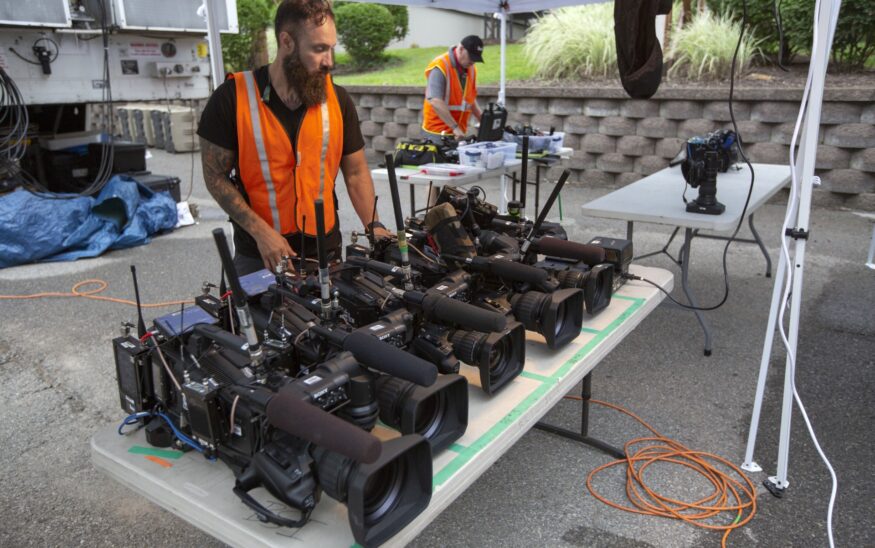
Filmmakers for Netflix needed a significant array of equipment for the filming of Hyperdrive in Rochester back in 2019. (Photo provided by Rochester/Finger Lakes Film Commission)
Filmmakers for Netflix needed a significant array of equipment for the filming of Hyperdrive in Rochester back in 2019. (Photo provided by Rochester/Finger Lakes Film Commission)
Lights, camera, action: Rochester emerges as destination for filmmakers


Summary:
- New York State Film Tax Credit offers up to a 40 percent rebate
- Rochester region has hosted about 50 film productions since 2006
- Productions benefit from lower costs as well as the tax credits
- Local shoots generate millions in economic impact and business activity
There has been no campaign to erect ROCHESTER in huge white letters atop Cobbs Hill, à la the iconic HOLLYWOOD sign in the Santa Monica mountains, but Greg Smith figures it wouldn’t be the worst idea to publicize the area’s contributions to the big screen.
“I don’t think people understand the impact that the film industry has here,” said Smith, president and CEO of Rochester-based Jay Advertising.
Sure, the Eastman Kodak Company has, for more than a century, been manufacturing film for the motion picture industry. Christopher Nolan’s current box-office blockbuster, “The Odyssey,” used more than two million feet of Kodak film during production.
But the region has also become a desirable place for production. Filmmakers are finding everything they need for their movies in Rochester and neighboring communities.
A quaint Main Street setting? There are plenty of choices throughout the Finger Lakes. A bucolic countryside? Even easier. The serenity of a summer night on the water? Take your pick of lakes.
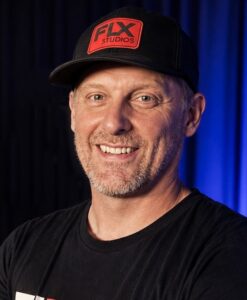
“People are realizing they don’t need to go to the huge studio model,” said Gene Smith, founding partner and creative director at FLX Studios of Rochester. “You can go from an apple orchard to a city in 15 minutes. If you’re in Manhattan, you can’t go anywhere in 15 minutes unless you’re walking.”
Which is the message Nora Brown and the Rochester/Finger Lakes Film Commission have been selling to the movie-making industry for three decades, especially in California. Thanks to New York State tax credits, it’s a message that is well-received, too.
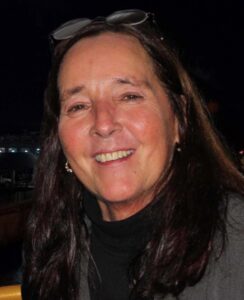
“I tell them, ‘We’ve stolen your wine business and now we’re trying to steal your film industry,” Brown said with a smile. “Producers love the diners here, the drive-in theaters, the homes on East Avenue.”
The film commission, which was launched in 1990, is a subsidiary of Visit Rochester. Brown, a Penfield High School graduate, joined the office in 2006, leaving the film industry to return home.
The commission’s most notable “get” was The Amazing Spider-Man 2, which, in the spring of 2013, used Main Street in Rochester for New York City chase scenes and spent close to $3 million over the 10 days of filming.
That included significant spending within the Rochester business community, including 3,000 hotel room nights, catering, tent rentals, storage space and the payment of police overtime rates.
And that’s just one movie, albeit a major production. Since Brown came on board, there have been approximately 50 films produced in the region. Two are in the works now.
Cost, or rather the reduced cost, is one reason filmmakers come here. Rates for studios, camera gear, lighting rental and ancillary needs are far greater in major markets. Plus, New York State’s Film Tax Credit Program may provide a tax credit of up to 40 percent on production costs if a project meets eligibility requirements.
That’s a lucrative bonus for movie-makers hoping to keep costs down without sacrificing production quality.
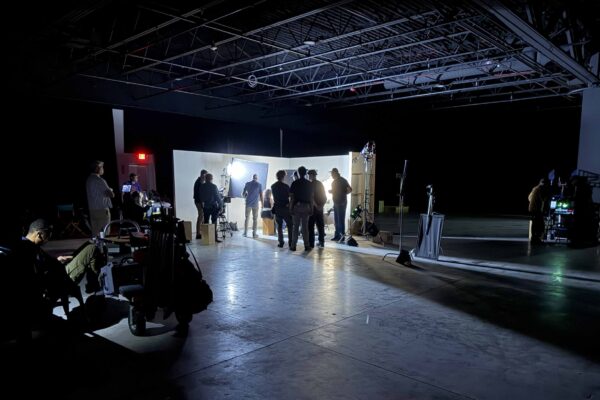
A requirement of the state program: a local production facility must be used. In Rochester, Magic Spell Productions at Rochester Institute of Technology and FLX Studios on Josons Drive in Henrietta providing the most extensive services.
“A film doesn’t have to cost $20 million; you can do one now for $2 million or $3 million,” FLX Studios’ Smith said.
His facility just became New York State-certified earlier this month.
“We received our certificate of occupancy on a Wednesday, and a TV series started filming on Thursday,” Smith said.
That filming was for “Abilene,” a Great American Media production created by Nicholas DiBella that is scheduled to debut in 2027. DiBella grew up in the Rochester suburb of Greece.
But it’s not just the facilities that have location scouts and production personnel considering Rochester. The ease of doing business is an asset.

“It’s harder to get permits in L.A.; you need a permit for everything there,” Brown said. “Here, if you’re not blocking sidewalks or changing traffic patterns, it’s pretty easy to accommodate.”
Since time is money, production crews don’t need to be concerned about delays caused by neighbors, gawkers or persons intruding in the background of a scene. It’s easier here to ensure an on-location shoot is distraction-free, Brown said.
“Across 20 films in five states, Rochester was the best filmmaking experience many of us have ever had,” film producer Nicolaas Bertelsen said.
It also doesn’t hurt that, because of Brown’s own experience in the industry — knowing crews, understanding needs — there’s the personal touch that offer regions perhaps can’t offer.
“Nora was able to help steer us toward film-friendly communities, help in finding and negotiating with locations and city entities, and help with finding crew and vendors,” Bertelsen said. “Nora’s many years of experience as a producer and film commission allowed her to know exactly what we needed, even when we didn’t know the right questions to ask. When you’re 3,000 miles from home, this is exactly the kind of support you need.”
If filmmakers require a lush cornfield in the background, they better know when harvesting will begin. If they want a fall motif, they’ll need to know when the leaves will start turning. Brown’s team can provide those answers based on weather events throughout the year, and not a Farmer’s Almanac guestimate.
So why does bringing film production to Rochester and New York matter? It’s simply dollars and cents.
“Every dollar spent is worth $2.30 in economic impact,” Brown said.
Which is why New York and surrounding states — including New Jersey, Massachusetts, Pennsylvania and Ohio — have created incentive programs to lure filmmakers.
“Production spending,” Brown said, “has a significant impact on the region.”
[email protected]/(585) 653-4020
t